The Science Behind Bad Breath and How to Fix It
The Science Behind Bad Breath and How to Fix It
We all wake up with a bad taste in our mouths from time to time. But when bad breath sticks around all day, it becomes a frustrating problem that can make you feel anxious or cause you to worry about getting too close to other people. If that applies to you, Brookwood Dental Center is the team to call. We help patients in Fenton, MO, determine why their breath smells bad. More importantly, we can fix it. Our dental team understands the science behind bad breath, so we can provide treatments that work.
Why Understanding Bad Breath Matters
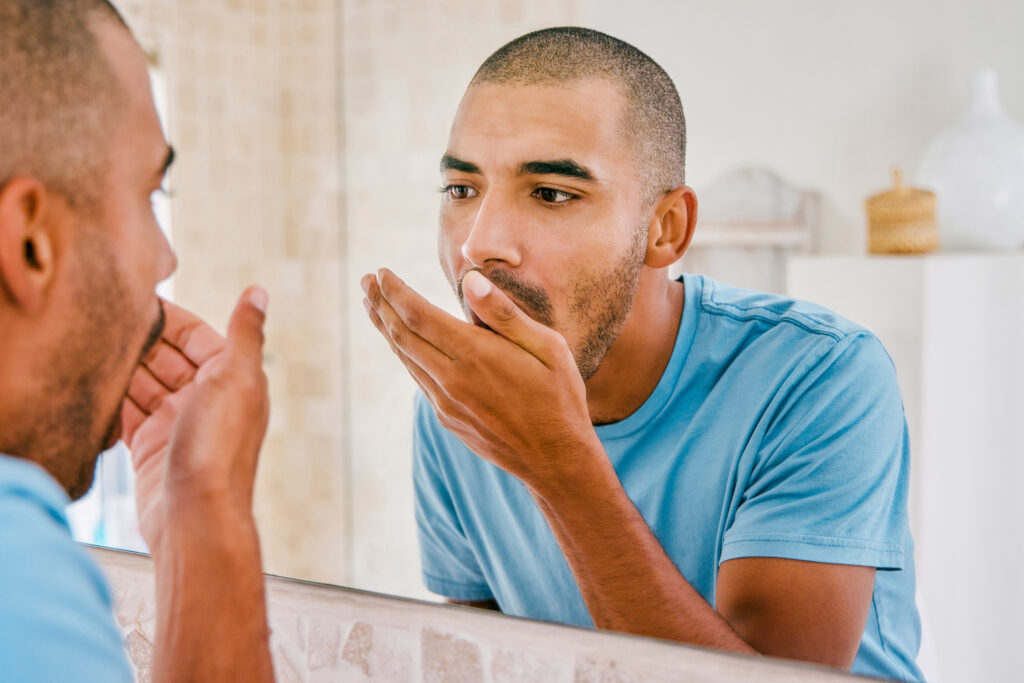
Bad breath, also known as halitosis, affects millions of people every day. Many try to hide the problem by chewing gum or sucking on strong mints. However, hiding the smell doesn’t solve the actual problem. Knowing the science behind bad breath will help you fight it at the source.
Your mouth is a complex environment. It contains teeth, gums, saliva, and millions of tiny living organisms. When these parts become unbalanced, bad smells develop. Understanding your oral health empowers you to keep your breath fresh all day.
What Causes Bad Breath?
Simple bacteria are the primary cause of bad breath. Bacteria and bad breath go hand in hand. Your mouth is naturally warm and wet, making it an ideal place for bacteria to grow and multiply.
When you eat, tiny pieces of food can get stuck between your teeth and along your gumline. The bacteria in your mouth eat these leftover food pieces. As bacteria break down food, they release sulfur gases that make your breath smell bad.
Certain foods also play a huge role. Foods that cause bad breath include heavy spices, garlic, and onions. When you eat these foods, they’re digested in your stomach and enter your blood. Your blood then carries smelly oils to your lungs, and you exhale them into the air.
Other bad breath causes include dry mouth, poor dental hygiene, and gum disease. Even certain medicines can change the way your breath smells by making your mouth dry.
Morning Breath vs. Chronic Bad Breath
Everyone gets morning breath because the mouth produces much less saliva during sleep. Saliva is important because it helps wash away food particles and dead cells. Without enough saliva, bacteria grow very fast in the dark, dry environment of a mouth. Brushing your teeth and drinking a glass of water usually fixes morning breath immediately.
Chronic bad breath is a different story. It stays with you all day, no matter how many times you brush your teeth. Mints and mouthwash don’t help for long. This type of breath usually indicates a deeper health issue. You might have untreated tooth decay, a gum infection, or a medical issue in your throat or stomach.
Signs Your Bad Breath Needs Treatment
Sometimes it’s hard to tell if your breath smells bad because you get accustomed to your own body odors. However, you should take steps to clean your mouth thoroughly if you notice any of these warning signs:
- People step back or turn their heads when you talk to them.
- You have a sour or metallic taste in your mouth that won’t go away.
- Your gums look red, feel sore, or bleed when you brush or floss.
- You feel like you have a dry mouth all the time.
- Your tongue has a thick, white or yellow coating.
- Family members or close friends tell you that your breath smells.
How Smoking and Vaping Make Bad Breath Worse
Smoking and vaping cause severe problems with your breath. First, they completely dry out your mouth. A dry mouth is a perfect breeding ground for smelly bacteria. Second, tobacco products leave their own stale smell in your mouth, throat, and lungs. This smell lingers for hours after you finish smoking.
Worse yet, smoking heavily increases your risk of developing gum disease. Gum disease creates deep pockets between your teeth and gums where bacteria hide and multiply. These hidden bacteria are a major cause of chronic halitosis. Quitting smoking or vaping is one of the best things you can do to improve your breath and protect your overall health.
How to Fix Bad Breath: Effective Solutions Backed by Science
You can stop bad breath by building good daily habits. Effective bad breath remedies and oral hygiene tips for fresh breath include:
- Brush Twice a Day – Brush your teeth for two full minutes every morning and night. Use a fluoride toothpaste to protect your enamel.
- Floss Daily – Your toothbrush cannot reach the tight spaces between your teeth. Flossing removes the hidden food and plaque that cause bad smells.
- Clean Your Tongue – Bacteria love to hide on the rough surface of your tongue. Use a tongue scraper or your toothbrush to clean your tongue from back to front every day.
- Drink Plenty of Water – Water keeps your mouth moist. It also washes away stray food particles and keeps saliva flowing.
- Chew Sugar-Free Gum – Chewing gum helps your mouth make more saliva. Make sure the gum is sugar-free so that you don’t feed the bacteria that cause cavities.
- Use an Antibacterial Mouthwash – A good mouthwash can kill the bacteria that cause bad breath. Ask your dentist which mouthwash is right for you.
When to See a Dentist for Bad Breath
If you try all the tips above and still struggle with your breath, it’s time to seek professional halitosis treatment. A dentist can examine your mouth, teeth, and gums. They’ll check for hidden cavities, gum disease, and dry mouth issues.
Dental hygienists can clean your teeth deeply. They use special tools to remove hard plaque and tartar buildup. Tartar traps bacteria against your teeth and gums, causing bad breath to linger, and you cannot remove it at home with a regular toothbrush. Don’t wait to see a dentist if your gums hurt, swell, or bleed easily.
FAQ About Bad Breath
What Causes Bad Breath After I Brush My Teeth?
Sometimes, brushing isn’t enough. Smelly bacteria can hide deep on the back of your tongue or far down in your gum pockets. In some cases, stomach acid issues or sinus infections can cause bad breath that brushing cannot fix.
Can a Dry Mouth Cause Bad Breath?
Yes. Saliva acts like a natural cleaning system for your mouth, washing away food and germs. Without enough saliva, smelly bacteria take over quickly.
Are Breath Mints Good Halitosis Treatments?
No. Mints only hide the bad smell for a few minutes. They don’t remove the bacteria causing the problem. In fact, sugary mints can feed bacteria and make your breath worse later.
Do Braces or Retainers Make Bad Breath Worse?
They can if you don’t clean them well. Food can easily get stuck behind braces or under retainers. You must clean your teeth and dental gear thoroughly to prevent bad odors.
How Often Should I See a Dentist for Bad Breath?
You should visit your dentist twice a year for normal checkups and cleanings. However, if you have chronic bad breath that won’t go away, you should schedule an extra visit.
Contact Us for Bad Breath Remedies Today
You don’t have to live with the embarrassment of bad breath. Brookwood Dental Center can determine the cause of your bad breath and create an effective treatment plan to address it. Contact us in Fenton, MO, for bad breath remedies today.