
Sleep & Oral Health: The Link Between Sleep Apnea and Your Smile
How Sleep Apnea Influences Teeth, Gums, and Daily Well-Being
Worn-down teeth, a scalloped tongue, and gums that stay inflamed despite good brushing can all point to something happening while you sleep. Brookwood Dental Center pays attention to these clues because the connection between sleep apnea and oral health in Fenton, MO, often shows up in the dental chair before anyone suspects a sleep problem.
What Is Sleep Apnea & Why Does It Affect Oral Health?
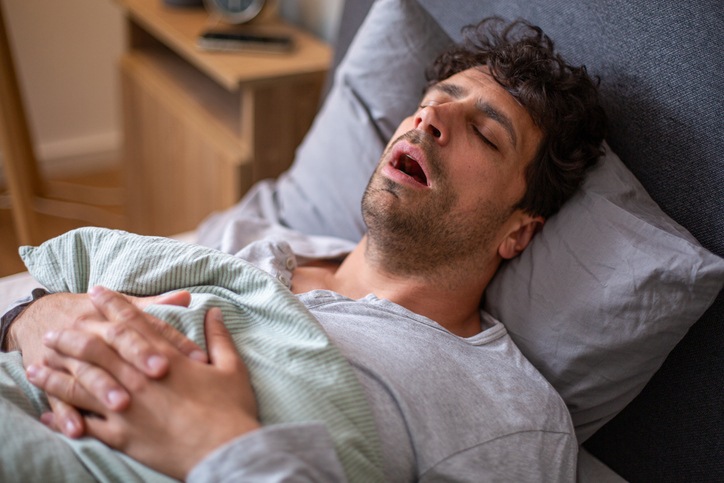
Obstructive sleep apnea happens when the soft tissues in your throat relax and block your airway during sleep. Breathing stops for a few seconds or longer, oxygen levels drop, and your brain briefly wakes you to restart it. This can happen dozens of times an hour without you remembering it. To understand how sleep apnea affects your teeth and gums, consider what your body does to keep the airway open. You may breathe through your mouth, push your jaw forward, or clench and grind. Each reaction affects your mouth night after night.
Oral Signs of Sleep Apnea You Shouldn’t Ignore
Some of these signs are things you’ll notice yourself, while others are things we see during an exam. Pay attention if any of this sound familiar:
- Flattened, chipped, or worn tooth edges
- Waking with a dry mouth or sore throat
- Scalloped edges along the sides of your tongue
- Jaw soreness or morning headaches
- Redness or inflammation at the back of the throat
- Gums that bleed easily even with consistent brushing
The Bruxism and Sleep Apnea Connection
Nighttime grinding, called sleep bruxism, is common in people with sleep apnea. Researchers are still studying the bruxism and sleep apnea connection, but one leading theory holds that clenching and jaw movement may help tighten the airway or pull the jaw forward after a breathing pause. Grinding episodes often happen right after the brief arousals that sleep apnea causes. Grinding wears enamel, cracks teeth and fillings, and strains the jaw joints.
Why Sleep Apnea Causes Dry Mouth
When your nose and throat can’t move enough air, your body switches to mouth breathing, and air flowing over your teeth and tongue all night evaporates saliva. Saliva is your mouth’s natural defense; it neutralizes acids, washes away food particles, and helps repair early enamel damage.
The dry mouth sleep apnea causes can lead to bad breath, mouth sores, and a higher risk of cavities, especially along the gumline. CPAP machines can also dry out your mouth, especially with a poorly fitting mask or no humidifier. If you use CPAP and wake up parched, talk with your sleep provider about adjustments.
The Impact of Sleep Disorders on Dental Health
Poor sleep affects your whole body, and the impact of sleep disorders on dental health includes tooth wear, decay, and slower healing after dental work. Fatigue also changes behavior. When you’re exhausted, you’re more likely to reach for sugary snacks and caffeine and skip brushing at night. Ongoing sleep loss also raises inflammation throughout the body and weakens your immune response, and your gums feel that strain first.
Can Sleep Apnea Lead to Gum Disease?
People with obstructive sleep apnea have higher rates of periodontal disease. Dry mouth, chronic inflammation, and reduced oxygen levels likely all play a role. A drier mouth lets plaque bacteria thrive, and inflamed tissues respond more strongly. This is a large part of how sleep apnea affects your teeth and gums over time. Untreated gum disease can lead to receding gums, bone loss, and loose teeth. If your gums haven’t responded to improved home care, it may be time to look at your sleep.
How Dentists Help Identify Sleep Apnea
Dentists don’t diagnose sleep apnea. A physician confirms it with a home or lab sleep study. The dentist’s role in diagnosing sleep apnea is screening and referral. Because we see most patients twice a year, we notice changes early.
During an exam, we look at tooth wear patterns, tongue size and shape, the back of the throat, and jaw position. We may ask whether you snore, wake up tired, or have been told you stop breathing at night. If what we see and hear points toward a sleep problem, we’ll recommend that you talk with your physician about a sleep evaluation.
Treatment Options That Protect Both Sleep & Oral Health
Treatment depends on how severe your sleep apnea is and what your physician recommends. The goal is to keep your airway open at night while repairing and protecting your teeth and gums. These are the approaches patients often discuss with their care team:
- CPAP therapy, which uses gentle air pressure to keep the airway open
- Oral appliance therapy, a custom device that holds the lower jaw forward during sleep, often used for mild to moderate cases
- Lifestyle changes such as weight management, side sleeping, and limiting alcohol before bed
- Dental treatment to repair worn or cracked teeth and manage gum inflammation
- Extra cavity protection, including fluoride and saliva-supporting products for dry mouth
When to Seek Professional Help
Talk with your doctor if you snore loudly, wake up gasping, or feel exhausted after a full night’s sleep. Sleep apnea is linked to high blood pressure, heart disease, and stroke, so it deserves prompt attention. Schedule a dental visit if you notice tooth wear, jaw pain, persistent dry mouth, or bleeding gums. Bringing both providers into the loop gives you the clearest picture of what’s going on.
Ask Us About What Your Smile Is Telling You
Your next checkup can reveal more than cavities. At Brookwood Dental Center, we’ll look for signs of nighttime grinding, dry mouth, and gum changes, and we’ll tell you whether it makes sense to talk to your physician. Book your exam and mention any snoring or sleep concerns when you schedule so we can set aside time to discuss them.